- +40-700-123-4567
- email@example.com
- 14th Street, New York

The Integrated Project: Comprehensive Services to Protect the Most Vulnerable
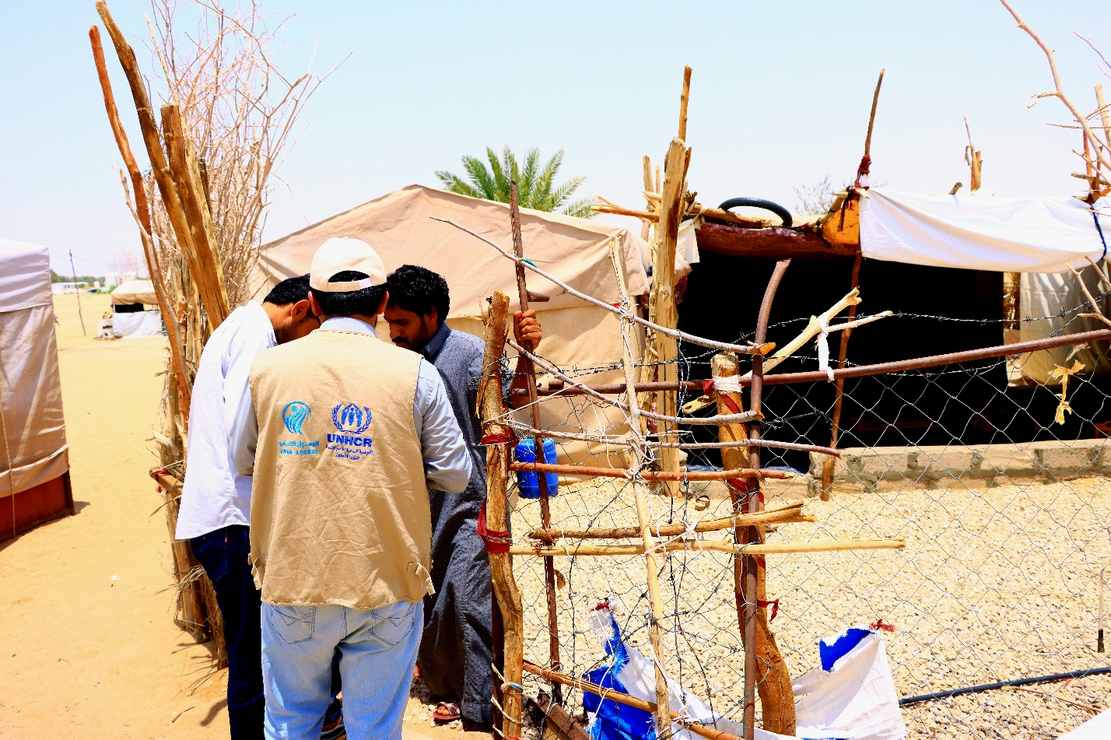
In Marib Governorate—which hosts the largest concentration of displaced persons in Yemen—the "Integrated Project" continues to provide a comprehensive package of humanitarian and protection services to those in greatest need.
The figures reveal the significant humanitarian impact of this project, which is implemented by the HUMAN ACCESS organization with funding from the United Nations High Commissioner for Refugees (UNHCR). Between February and October 2026, the project’s activities reached 80,891 people.
The project targets displaced persons, refugees, and host communities, prioritizing women, girls, children, the elderly, and persons with disabilities—groups that are particularly exposed to risks and heightened humanitarian needs.
The project’s interventions span the sectors of protection, shelter, and camp management, tailored to the specific needs of the target communities. This approach enhances the humanitarian response, ensuring that services are delivered in a manner that upholds human dignity and core protection principles.
Behind these statistics lie the human stories of individuals who faced dire conditions amidst one of the world’s most severe humanitarian crises. The project’s services have helped alleviate their suffering and strengthen their resilience.
Diverse Interventions in Vital Sectors:
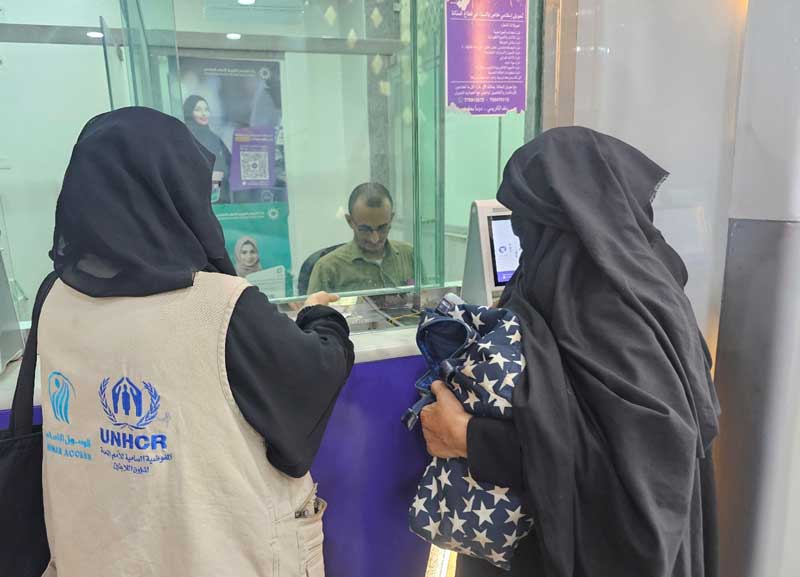
The project focuses on addressing the fundamental needs of those most severely affected by the country’s ongoing conflict and instability. In the realm of protection, it has provided psychosocial support, legal assistance, and emergency cash aid. In addition to conducting awareness-raising and recreational activities, supporting beneficiaries in obtaining identification documents, and carrying out other vital interventions, the program reached 44,025 beneficiaries.
These services are particularly significant given the risks faced by displaced persons and the most vulnerable groups; they help individuals access their rights and available services, while also enabling them to navigate social, legal, and living-related challenges.
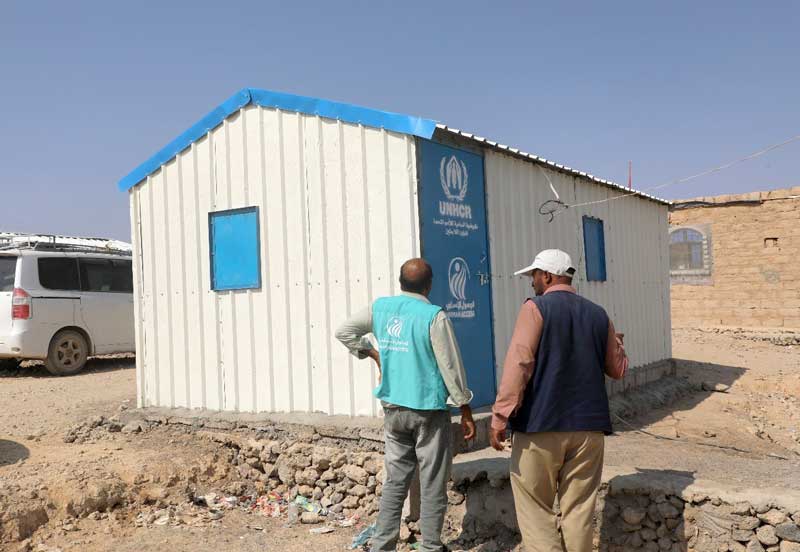
Regarding shelter, efforts successfully provided transitional housing for 4,620 beneficiaries. This intervention addresses one of the most pressing needs for those affected and serves as a core component of the humanitarian response in conflict settings—especially in displacement sites where the demand for such support is growing.
In the area of camp management, 32,246 people benefited from a range of services, including monitoring families residing in displacement sites, raising awareness about safety procedures, and implementing "quick-impact" projects. These initiatives help prioritize urgent needs and improve the service and living environment within displacement sites.
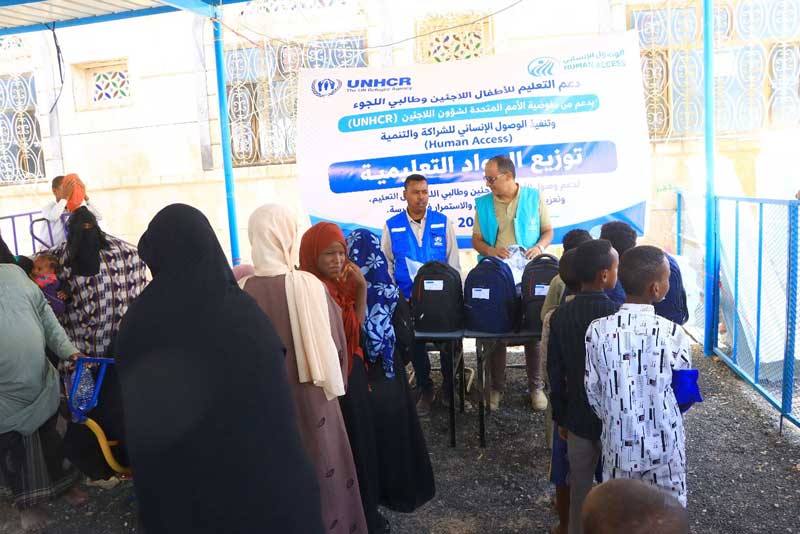
A displaced woman regains her dignity and heals her family’s wounds:
Due to the conflict, 46-year-old Mukhlis was forced to flee with her husband to Marib in search of a safe haven. Beyond the bitterness of displacement, she faced further hardship: she was subjected to gender-based violence at the hands of her husband.
The problems between them escalated, eventually leading to divorce. Left with no other choice, she and her child moved into a temporary shelter, where they faced extremely difficult living conditions.
Describing her situation, Mukhlis says: "I am suffering from deprivation; I cannot provide even the most basic necessities for my child. I can no longer borrow money, and I spend my days weeping over our dire circumstances."
However, this suffering began to ease thanks to an integrated project that provided her with two forms of cash assistance—an emergency grant and a multi-purpose grant—in October 2026. This enabled her to purchase what she needed, according to her own priorities, while preserving her dignity.
The impact of this assistance extended beyond Mukhlis and her child; it also covered medical treatment for her niece, who suffers from chronic nosebleeds—a condition that had caused the young girl to develop swollen feet and limited mobility, at a time when her own family could not afford the necessary care due to their financial hardship.
Expressing her gratitude for this support, Mukhlis says: "I was able to buy many of the things my child and I needed, and I secured medical treatment for my niece. My joy is indescribable; for the first time, I feel a sense of relief. Thank you all for standing by me during my darkest days."
This underscores the vital role the integrated project plays in alleviating the suffering of the most vulnerable and affected individuals.
A Response Tailored to the Needs of Those Affected:
The indicators regarding the utilization of services under this integrated project reflect the broad scope of humanitarian interventions implemented by the HUMAN ACCESS organization in Marib. They also underscore the importance of providing interconnected services that address the diverse needs of displaced persons, refugees, and host communities.
Furthermore, these interventions highlight the necessity of integrating protection, shelter, and camp management services—sectors that are intrinsically linked within a humanitarian response, especially in environments characterized by multiple risks and the escalating needs of affected families.
In a press statement, Yahya Hasan Al-Dabaa, head of HUMAN ACCESS organization, described the project as a successful model for humanitarian action that supports recovery and stability. He noted that the services provided play a vital role in easing the living burdens of beneficiary families and improving their overall conditions.
Al-Dabaa emphasized that this integrated project is an extension of the relief and development work the organization carries out to support the most vulnerable and marginalized groups in Yemen, while addressing the urgent needs of affected communities.
He also expressed appreciation for the support provided by the United Nations High Commissioner for Refugees (UNHCR), acknowledging its role in funding these interventions and ensuring their sustainability.
As humanitarian challenges persist in Marib, integrated services remain a crucial mechanism for improving access to protection and shelter for those affected. They also strengthen the capacity of these individuals to cope with the consequences of displacement, as part of a response strategy rooted in identifying specific needs and priorities—ensuring that aid reaches those who truly require it.
Related articles