- +40-700-123-4567
- email@example.com
- 14th Street, New York

Displacement in Yemen: A Widening Tragedy and Emergency Response in the Heart of Crisis
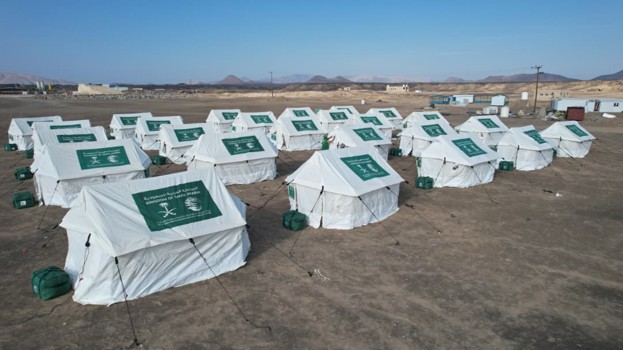
Forced displacement in Yemen has expanded on an unprecedented scale, with tens of thousands fleeing the inferno of recent hostilities. Yet, for these newly displaced people, the danger did not vanish upon reaching safer areas. They found themselves once again confronting harsh conditions in regions already grappling with stifling economic and living crises—having been forced to abandon their homes, possessions, and livelihoods abruptly, without any opportunity to secure their basic needs before departure.
Many of these displaced individuals were already living in highly vulnerable circumstances, and some have been forced to flee more than once. Today, they face worsening humanitarian conditions, characterized by a lack of food, water, shelter, clothing, and other essentials for daily life—all within displacement sites that lack even the most basic requirements for a dignified existence.
In the face of this humanitarian tragedy, there is an urgent need to provide emergency shelter, food, healthcare, safe drinking water, sanitation, and protection services to the most vulnerable groups—foremost among them children, women, the elderly, and persons with disabilities—in order to prevent the humanitarian crisis in Yemen from worsening.
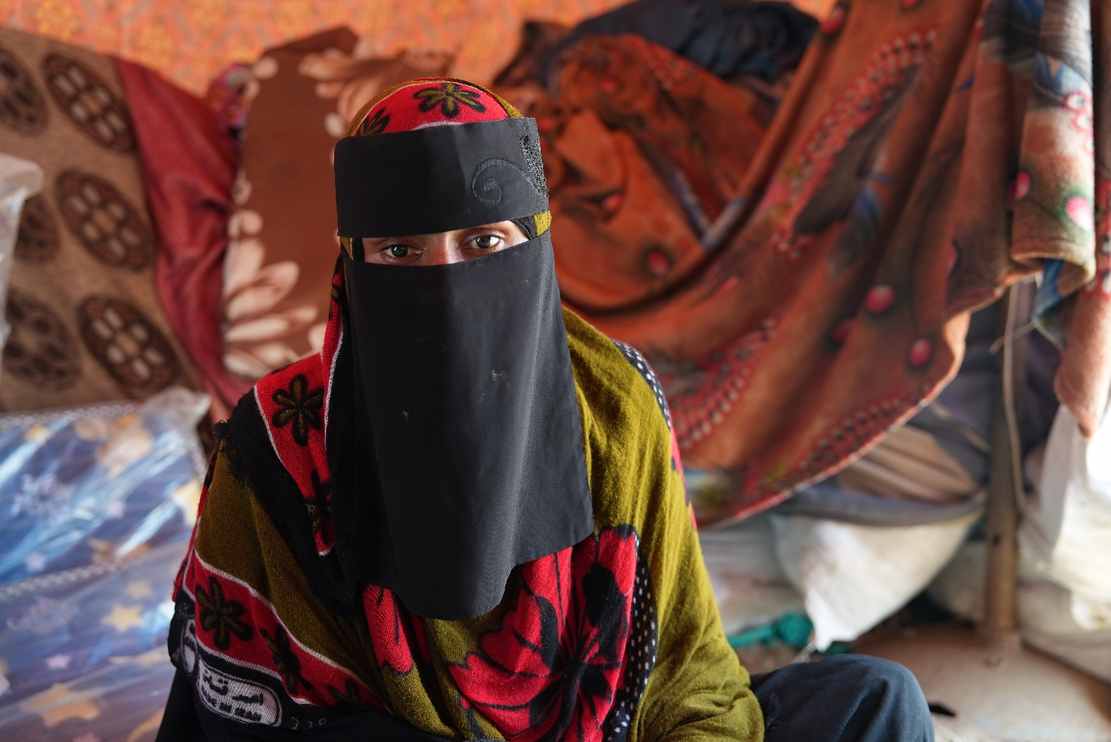
Asmaa encapsulates this tragedy:
The story of this displaced woman sheds light on some of the suffering endured by those forced to flee their homes. Years ago, 30-year-old Asmaa and her family of six were compelled to leave their home in Al-Barh area of Taiz Governorate, relocating to the city of Mokha—also in Taiz—as she recounted to the team from the HUMAN ACCESS Association.
In Mokha, the family began a new life—one that was far from easy, given the sudden loss of their home, farmland, and possessions. However, humanitarian aid proved vital, helping them meet some of their basic needs and ensuring they were not left to an uncertain fate.
"Fleeing Al-Barh was incredibly difficult; we struggled immensely to secure food, water, and everything else we needed," Asmaa says. "Over time, we began to settle in Mokha, and our living conditions improved somewhat. We truly believed our suffering had come to an end and that we would go on to lead a better, new life."
But that hope was dashed by a recent escalation in the conflict. In September 2026, the family was forced to flee once again—this time to Al-Firdaws camp in Aden Governorate—following an arduous and harrowing journey.
Describing the ordeal, Asmaa says: "We left Mokha in the dead of night, amidst heavy shelling, and had to walk long distances. It was a journey filled with fear and pain. My greatest fear was for my children; they suffered terribly as we fled, and I kept asking them to be patient whenever they complained of hunger or thirst."
In Al-Firdaws camp, the family carries the weight of many memories, tragedies, and immense challenges. They are attempting to piece together the fragments of a life that has been turned upside down, all while facing growing humanitarian needs and a limited capacity to address them.
"Our lives have changed completely," says Asmaa. "The situation is difficult, and it gets very hot inside the tent. We are in need of food, water, medical care, clothing, cooking utensils—everything. My greatest fear is that this war will drag on. I dream of the fighting coming to an end so that I can return home to Taiz with my children."
Humanitarian Outreach by HUMAN ACCESS:
In response to the growing wave of displacement, the organization "HUMAN ACCESS" continues to provide life-saving humanitarian aid to those affected by the recent escalation. Despite significant challenges on the ground, the organization—supported by donors and partners, and in coordination with relevant official authorities—has remained active in its relief efforts.
During October 2026, the organization reached 56,464 people across the governorates of Aden, Taiz, Lahj, Abyan, Shabwah, Al-Mahrah, and Marib. Interventions included the distribution of food, shelter, and water; the provision of health and protection services; the delivery of cash assistance; the construction of temporary latrines; the installation of public water tanks; and other measures designed to address the critical needs of displaced persons.
Humanitarian support also extended to Yemeni refugees in the Republic of Djibouti. During the same period, 3,420 Yemeni refugees in the Obock camp received emergency aid distributed by HUMAN ACCESS with the support of its donors. This assistance involved shelter materials and kits, personal hygiene supplies, and food baskets, as well as 20 wheelchairs for people with disabilities and the elderly.
In a press statement, Dr. Abdulwase Alwasei, Secretary-General of HUMAN ACCESS, noted that the organization is present on the ground, working to alleviate the suffering of those enduring harsh humanitarian conditions. These efforts aim to prevent the crisis from worsening further and to ease the mounting pressure on host communities, which are themselves grappling with severe economic and service-related challenges.
Dr. Alwasei pointed out that humanitarian efforts in Yemen face a massive funding gap, with needs far exceeding available resources. He called on donors to provide urgent resources to support displaced persons and refugees, warning that the gap between the services provided and the needs of those affected will continue to widen unless additional, immediate funding is secured.
Related articles