- +40-700-123-4567
- email@example.com
- 14th Street, New York

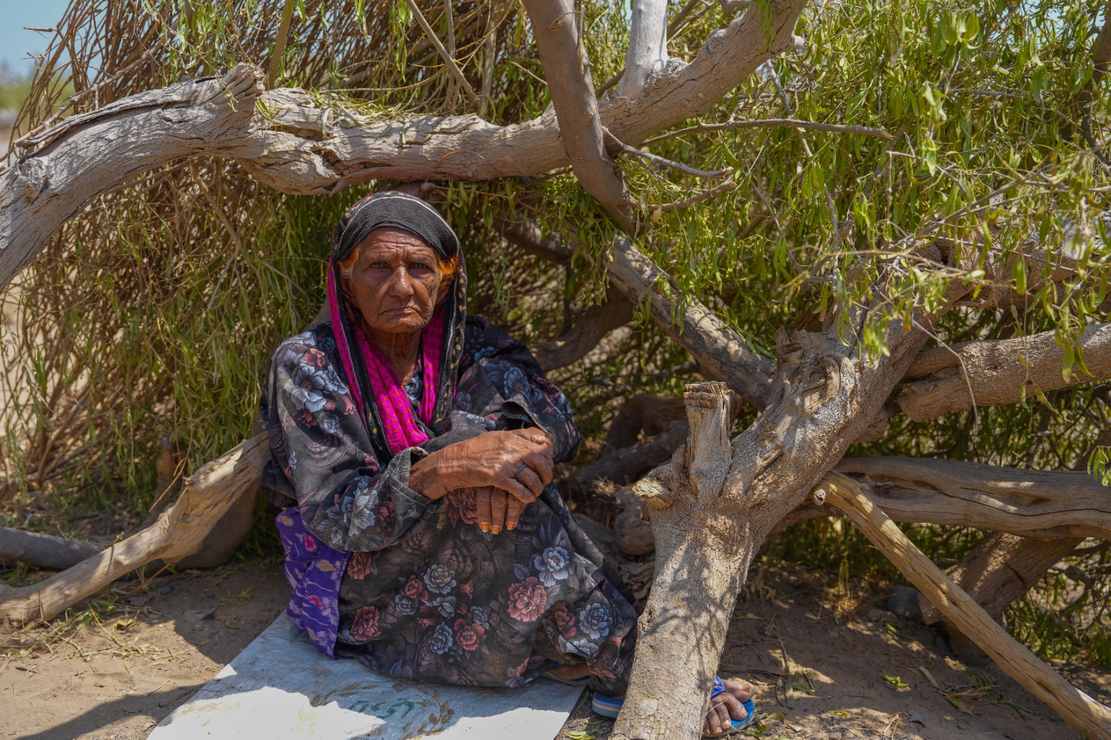
It is never easy to abandon one’s home, memories, and livelihood, only to suddenly find oneself forced to start life over from scratch in an unfamiliar place—facing circumstances offering little more than a glimmer of hope and overwhelming anxiety for the future.
This is the reality for thousands of Yemeni families driven to displacement by recent waves of escalation and renewed conflict in recent months, after more than a decade of conflict that has exhausted their resilience, depleted their livelihoods, and left them with two bitter choices: remain under constant threat, or flee into the unknown.
Displacement is not merely moving from one location to another; it is the uprooting of life’s very foundation and the abrupt loss of safety and stability.
Behind every displaced family lies a story of suffering: children cut off from their education, mothers bearing the heavy burden of securing food, water, and medicine, fathers who have lost their sources of income, and the sick and elderly facing conditions beyond their endurance.
This suffering does not end upon reaching a safer area; rather, new challenges begin amid severe shortages of food and water, a lack of shelter and healthcare services, overcrowded displacement sites, and the diminishing capacity of host communities to absorb further burdens.
Taiz Governorate stands out as one of the most severely affected areas, where the compounding impacts of repeated displacement intersect with access challenges, movement restrictions, and mounting pressure on limited services and resources.
What we must recognize is that the tragedy of displacement cannot be reduced to household numbers or lists of needs and aid delivery. It is about human lives stripped of the ability to plan for their tomorrow, where securing the basic requirements of a single day has become their ultimate concern.
This suffering calls for urgent, responsible humanitarian action—joining the efforts of relevant authorities, humanitarian organizations, and donors to ensure aid reaches those in need, protect the most vulnerable, and support host communities.
Furthermore, the response must not stop at emergency relief; it must extend to safeguarding human dignity, enhancing resilience, restoring livelihoods, and granting affected families a real opportunity to regain stability and self-reliance.
It is unfair for the Yemeni people to be repeatedly expected to rebuild their lives from scratch every single time, or for their ongoing suffering to become a familiar scene through which the world loses its sense of the tragedy's magnitude.
These families have not abandoned their dreams; they were simply forced to postpone them in search of safety. They do not need fleeting sympathy as much as they need genuine solidarity that restores a measure of reassurance and hope.
Those forced to start their lives from scratch deserve not to be left alone in the face of the unknown.
Dr. Abdulwase'a Al-Wase'i
Secretary-General – HUMAN ACCESS
Related articles